Common Mistakes Shooters Make When Selecting Air Gun Pellets

Precihole Sports Blog
September 8, 2026
10
mins read

Selecting the right Air Gun Pellets is one of the most overlooked factors affecting shooting accuracy, consistency, and overall performance. 

Be it a beginner learning the basics or an experienced competitor refining your technique, the pellet you choose can significantly influence your results.

At Precihole Sports, we understand that even the most precision-engineered air rifle or air pistol can only perform at its best when paired with the correct pellet. This guide explains the most common mistakes shooters make while selecting Air Gun Pellets. Also, how to avoid these mistakes for a safer, more enjoyable shooting experience.

Quick Summary

Choosing the right Air Gun Pellets involves more than simply selecting the correct caliber. Factors such as pellet weight, shape, quality, compatibility with your air rifle, and intended shooting application all play a vital role in achieving consistent accuracy and reliable performance.

Why Pellet Selection Matters

An air rifle is designed with precision engineering, but its performance depends equally on the ammunition used.

The right pellet helps achieve:

  • Better shot consistency
  • Improved accuracy
  • Stable flight trajectory
  • Reduced group sizes
  • Enhanced confidence during practice and competition
  • Reliable overall shooting performance

Even premium air rifles may not deliver optimal results if paired with unsuitable pellets.

Common Mistakes Shooters Make When Choosing Air Gun Pellets

 1. Choosing Pellets Based Only on Price

Many beginners assume that inexpensive pellets offer the same performance as premium-quality options.

In reality, lower-quality pellets may have:

  • Inconsistent weight
  • Poor manufacturing tolerances
  • Deformed skirts
  • Uneven head sizes

These inconsistencies can negatively affect accuracy and shot-to-shot consistency.

Expert Tip: Invest in high-quality pellets from reputable manufacturers for more reliable performance and tighter groupings.

2. Ignoring Pellet Compatibility with the Air Rifle

Not every pellet performs equally well in every air rifle.

Factors affecting compatibility include:

  • Barrel dimensions
  • Rifling characteristics
  • Power system
  • Velocity
  • Trigger consistency

A pellet that delivers excellent results in one rifle may perform differently in another.

Accuracy Insight

Testing multiple pellet brands and weights helps determine which option provides the best grouping for your specific rifles

 3. Selecting the Wrong Pellet Weight

Pellet weight directly influences shooting characteristics.

Lightweight Pellets

Best suited for:

  • Springer
  • Short-distance target shooting
  • Faster velocities
  • Beginner practice

Potential limitations:

  • Greater sensitivity to wind
  • Reduced stability over longer distances

Heavier Pellets

Suitable for:

  • PCP
  • Longer-distance precision shooting
  • Better wind resistance
  • Stable trajectories

Potential considerations:

  • Lower muzzle velocity
  • Different point of impact

Choosing an appropriate weight based on your shooting purpose leads to better consistency.

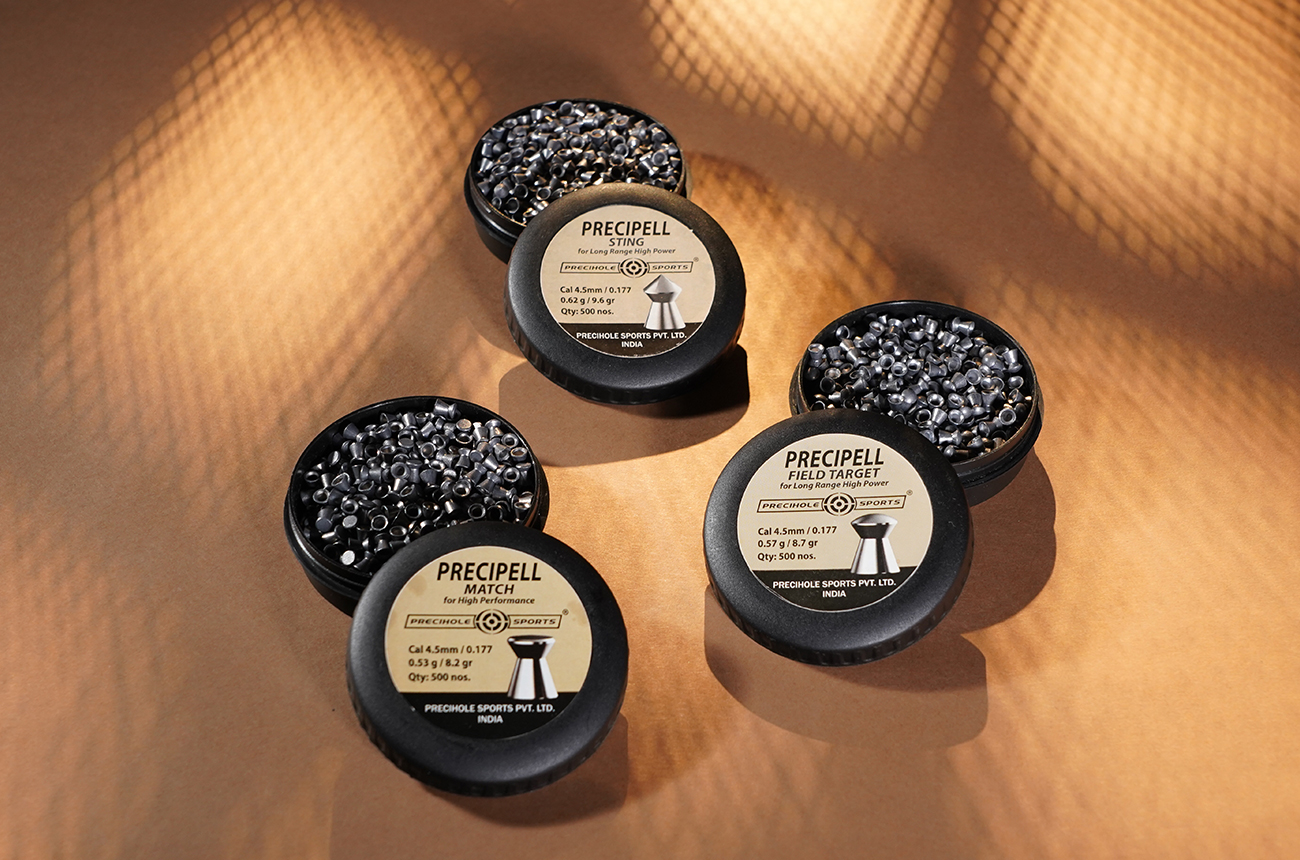
 4. Using the Wrong Pellet Shape

Pellet design affects aerodynamics and intended application.

Understanding pellet profiles helps shooters achieve better performance for their chosen discipline.

 5. Assuming Every .177 Pellet Performs the Same

Many shooters believe that all .177 caliber pellets are identical.

However, differences exist in:

  • Head diameter
  • Manufacturing precision
  • Material quality
  • Weight consistency
  • Aerodynamic design

These seemingly small variations can produce noticeable differences in grouping and overall accuracy.

 6. Overlooking Pellet Quality Inspection

Before loading pellets, inspect them for:

  • Bent skirts
  • Surface damage
  • Deformation
  • Dirt or contamination

Damaged pellets may affect:

  • Barrel consistency
  • Flight stability
  • Accuracy

Good shooters routinely inspect pellets before use.

 7. Not Testing Multiple Pellet Options

One of the biggest mistakes is purchasing large quantities without testing.

Instead:

  • Try several pellet brands.
  • Shoot multiple five-shot groups.
  • Compare consistency.
  • Record results.
  • Select the pellet that performs best with your rifle.

Experienced target shooters often maintain detailed shooting logs for future reference.

 8. Ignoring Shooting Distance

Different shooting distances require different pellet characteristics.

 Short Distance

  • Wadcutter pellets often produce clean holes in paper targets.
  • Ideal for indoor practice and competition.

 Medium Distance

  • Domed pellets usually provide improved stability.

 Longer Distance

  • Heavier domed pellets often maintain better consistency in varying conditions.

Matching the 3 to the shooting distance improves overall performance.

 9. Forgetting Environmental Conditions

Outdoor shooting introduces additional variables.

These include:

  • Wind
  • Humidity
  • Temperature
  • Air density

Heavier pellets generally resist wind drift better than lighter alternatives, making them a preferred choice for outdoor precision shooting.

 10. Believing One Pellet Is Perfect for Every Situation

No single pellet excels in every scenario.

Different applications require different priorities:

  • Target shooting
  • Benchrest shooting
  • Precision practice
  • Recreational shooting
  • Competition

Experienced shooters often keep multiple pellet types and choose them based on the day's shooting requirements.

Best Suited For 

Proper pellet selection benefits:

  • Beginner shooters
  • Recreational enthusiasts
  • Target shooters
  • Benchrest competitors
  • Precision shooting enthusiasts
  • Air pistol users
  • Match shooters.

Shooting Performance Insights

Selecting the correct pellet can improve:

  • Group size consistency
  • Flight stability
  • Barrel harmonics
  • Overall confidence
  • Repeatable accuracy
  • Precision during competitive shooting

Many competitive shooters consider pellet testing just as important as rifle setup.

Comparison Table: Correct vs Incorrect Pellet Selection

Maintenance Tips

To preserve pellet quality:

  • Store pellets in their original container.
  • Keep them in a dry environment.
  • Avoid dropping the tin.
  • Do not handle pellets excessively.
  • Inspect pellets before every shooting session.
  • Keep your barrel clean for consistent performance.
  • Proper storage helps maintain pellet integrity and shooting consistency.

Expert Recommendations

Shooters looking to improve their accuracy should:

  • Test several premium pellet options.
  • Practice regularly with one proven pellet.
  • Record grouping performance.
  • Clean the barrel periodically.
  • Avoid mixing pellet types during precision practice.
  • Focus on consistency rather than velocity alone.

Safety Reminder

Always use Air Gun Pellets that match your air rifle's specified caliber and manufacturer recommendations. Follow all range safety rules, wear appropriate eye protection, and practice only in safe, designated shooting environments. Responsible handling is essential for every level of shooter.

 Frequently Asked Questions (FAQs)

 1. How do I know which Air Gun Pellets are best for my rifle?

The best approach is to test different pellet brands, weights, and shapes with your specific rifle. The pellet that consistently produces the tightest groups is usually the best choice.

 2. Does pellet weight affect accuracy?

Yes. Pellet weight influences velocity, trajectory, wind resistance, and stability. The ideal weight depends on your rifle and intended shooting application.

 3. Are domed pellets better than wadcutters?

It depends on your purpose. Wadcutter pellets are excellent for paper target shooting at shorter distances, while domed pellets generally offer better aerodynamic performance for longer-range precision shooting.

 4. Should beginners buy premium pellets?

High-quality pellets often provide better manufacturing consistency, making it easier for beginners to develop good shooting habits and evaluate their progress accurately.

 5. Can damaged pellets reduce accuracy?

Yes. Bent or deformed pellets can destabilize during flight, leading to inconsistent shot placement and larger group sizes.

 6. How should Air Gun Pellets be stored?

Store pellets in a dry place, inside their original container, away from moisture and impact. Proper storage helps preserve their shape and consistency.

 7. Why do different rifles prefer different pellets?

Every barrel has unique manufacturing tolerances and characteristics. Testing allows shooters to identify the pellet that performs best in their individual rifle.

Conclusion

Choosing the right Air Gun Pellets is a simple yet essential step toward improving accuracy, consistency, and overall shooting performance. 

Avoiding common mistakes such as selecting pellets solely on price, ignoring compatibility, or overlooking quality. They can make a noticeable difference in every shooting session.

If you are practicing target shooting, preparing for competition, or enjoying recreational shooting, pairing the right pellet with a precision-engineered air rifle can help you achieve more consistent results.

Explore More with Precihole Sports

Looking to enhance your shooting experience? Precihole Sports offers precision-engineered air rifles, air pistols, shooting accessories, and equipment designed for beginners, enthusiasts, and competitive shooters alike.

By combining the right equipment with the right pellet selection, you'll be well on your way to achieving greater precision, confidence, and consistency on the range.

Legal Disclaimer (India):
PCP air rifles and air pistols are regulated under Indian law. Users must ensure compliance with applicable rules under the Arms Act, 1959 and Arms Rules, 2016, including power limits, licensing requirements (if applicable), and local regulations. PCP compressors are accessories intended solely for lawful airgun use.

Continue Reading